
Planning a Winter Spiti 4x4 Journey: Questions, Options and Confirmation Checklist
A practical, enquiry-led guide to preparing a winter Spiti itinerary using operator-confirmed 4x4 transfers. Focuses on route access, vehicle suitability, accommodation choices, on
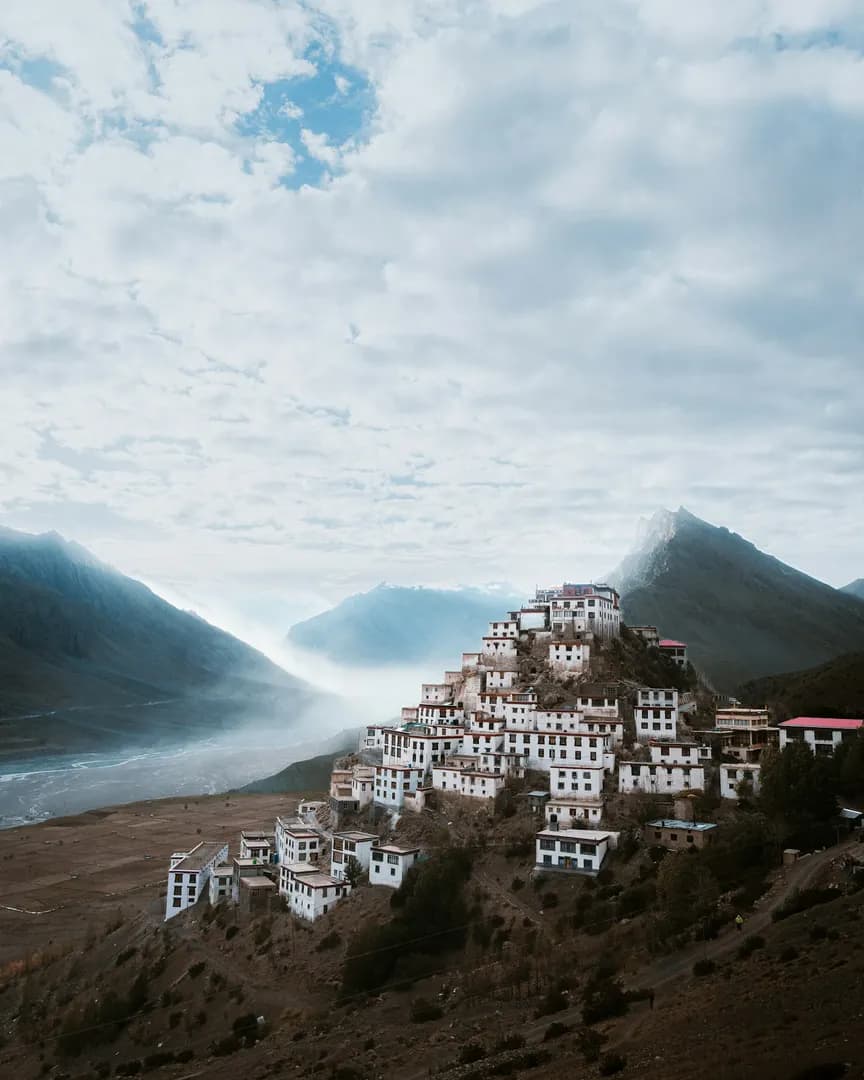
Who is this winter Spiti plan suitable for?
This journey template is aimed at travellers who are comfortable with remoteness, flexible schedules and variable winter conditions. Before you proceed, answer these planning questions for your group: Are you comfortable with multi-hour drives on narrow, snow-affected mountain roads? Do participants tolerate basic heating, intermittent hot water and reduced services at high-altitude homestays? Is everyone medically fit for altitudes above 3,500–4,000 metres, or should you allow acclimatisation days? Confirm group preferences for travel speed (relaxed with extra buffer days, or faster with higher day-to-day transit loads), sleeping arrangements (private rooms vs shared homestays) and appetite for early starts and cold-weather walking.
Group composition drives many choices. If you have children, older companions, or anyone with a medical condition, list their needs explicitly and ask the operator whether the proposed daily schedules and emergency plans meet them. If you expect photography, light trekking, or quiet village time, prioritise lower transit days and confirm daylight arrival times for key stops such as Kaza, Key Monastery, Kibber, Langza and Hikkim.
Vehicle selection, road access and operator confirmation
A 4x4 vehicle with a driver who has local winter experience is essential but not a guarantee of passage. Request from the operator: vehicle make and model, tyre type, winter maintenance records, and the driver’s experience driving the specific winter approaches you plan to use. Ask whether the vehicle carries spare parts, a charged jump-starter or battery pack, fuel contingency plan and snow chains. Clarify whether additional vehicles or driver changes are planned for longer transits.
Treat route access as a conditional item. For each transfer day ask the operator to confirm the open approach in writing within an agreed window before departure (for example, 48–72 hours). If the itinerary lists a specific winter approach rather than the summer route, request a route diagram or named passes/valleys and a contingency plan if that approach is closed. Practical questions: What is the maximum single-day driving time anticipated under winter conditions? Where are planned fuel and bathroom stops? Which sections are most likely to require chaining or towing, and who covers towing if required?
Accommodation choices and pacing for winter comfort
Winter accommodation in Spiti ranges from simple homestays and guesthouses to better-equipped hotels in key hubs. Confirm the specific properties in writing for each night, including their heating type (room heaters, common-area stove), hot-water availability, charging facilities for electronics, Wi‑Fi expectations, and proximity to medical help or vehicle parking.
Plan slower daily distances than a summer schedule. Ask the operator to provide two proposed pacing options per day: a standard plan and a conservative alternative that reduces driving hours and adds an acclimatisation or rest night. If the route includes optional visits (Pin Valley, local monasteries), request which options are conditional on snow clearance and what alternate sightseeing is offered if they are closed. Also confirm luggage handling limits and whether the driver will assist with carrying heavier items up stairs at higher-altitude homestays.
Weather, safety, permits and medical preparations
Winter mountain weather is inherently changeable; treat forecasts as guidance, not guarantees. Ask the operator for their local weather monitoring routine and the escalation protocol for road closures or significant storms. Make medical preparation explicit: does the operator carry a first-aid kit, oxygen cylinder and basic rescue equipment? Who is the designated emergency contact and what are the local evacuation options and likely timelines if a medical transfer is needed?
Check permit requirements and documentation: which permits (if any) are required for your winter route and who is responsible for securing them? Ask for a written list of identification and permit documents that each traveller must carry, and whether copies need to be provided to the operator in advance. For travel insurance, confirm that typical policies cover winter mountain driving and emergency evacuation from high-altitude regions — ask your insurer whether the specific winter approaches you propose are excluded under the policy.
Written-confirmation checklist before you book
Before any booking or deposit, obtain written confirmations covering these items: exact daily route with named passes/valleys, alternate return routes if the outward approach differs, specific night-by-night accommodation names and room types, vehicle registration and driver name, and a clear list of what is included and excluded (meals, permits, parking, snow-chain rental, fuel contingency). Ask for the maximum single-day drive time estimate and the operator’s contingency plan for extra nights caused by closures.
Request a short, signed statement from the operator addressing three key contingencies: how transport will be managed if a confirmed approach closes; the process and cost responsibility for towing or mechanical breakdowns; and the evacuation protocol for medical emergencies. Finally, compile a personal packing and safety tick-list for your group: cold-weather clothing layers, sleep-system expectations, personal medications, copies of permits and ID, a written note of emergency contacts both local and at home, and confirmation that all travellers have appropriate insurance covering winter high-altitude travel. AI-assisted planning guide; confirm details with Trailopedia.
Routes, access and services must be confirmed for your dates. This article is a planning guide, not a confirmed itinerary.