
Planning a 6‑Day Spiti Valley Circuit (Manali → Kaza → Chandratal)
A practical planning guide for a 5‑night, 6‑day Spiti circuit from Manali to Kaza and back via Chandratal. Focused on pre‑trip decisions, group preferences and written confirmation
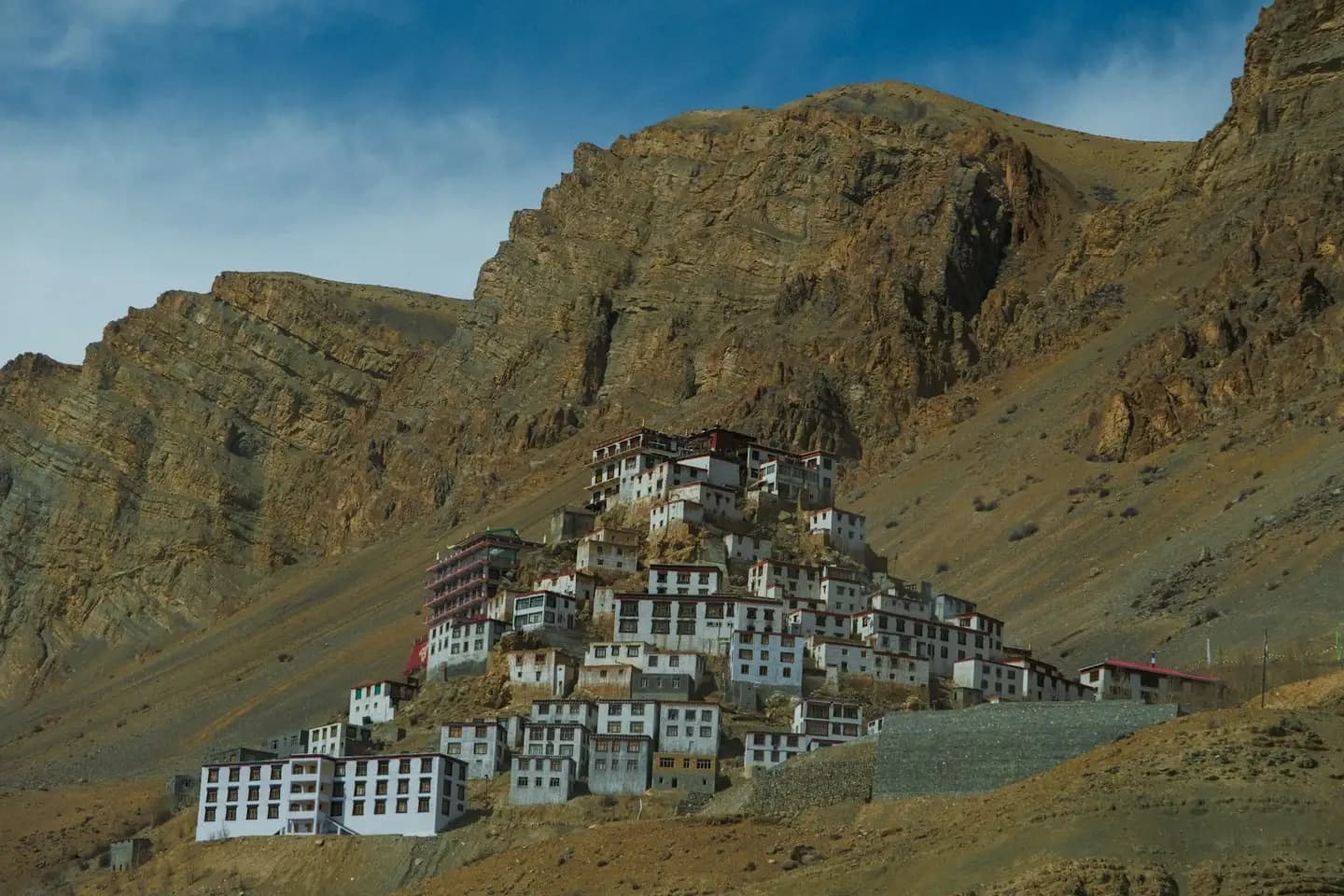
Trip overview to confirm before booking
This itinerary outlines a 5‑night / 6‑day loop: Manali → Kaza → Dhankar/Pin Valley → Key and high villages → Chandratal → Manali. It is framed as a seasonal route that commonly uses the Atal Tunnel and Kunzum pass corridors; road openings, pass conditions and access to Chandratal can vary by season. What are your firm start and end dates, and do you have a preferred contingency window if a high‑pass section is closed? Which nights must be fixed and which can change if the route is altered?
Confirm whether you need riding or driving arrangements, and if motorcycle handover or vehicle drop‑off is part of the plan. Will participants arrive in Manali together or independently, and do any travellers require separate arrival/departure logistics (flight/train connections, extra nights)? Specify whether the itinerary should prioritise relaxed acclimatisation, photography stops, or maximum mileage between nights so the proposal can match your pace.
Key planning questions trip organisers must answer
Group size and composition: How many participants, and what are the rider/driver experience levels at high altitude and on rough mountain roads? Do any members have medical conditions, mobility constraints or requirements for lower‑altitude alternatives? If minors are present, confirm guardians and legal permissions for cross‑border mountain travel where applicable.
Logistics and permissions: Who will be the primary contact for permits and local authorisations? Some high‑altitude village stays and access to protected areas may require local permits or village coordination. Who is responsible for fuel arrangements, spare parts and securing accommodation confirmations for each night? List the contact details for each participant to be included in the planning proposal.
Group preferences and operating style
Ride/drive tempo: Decide on a preferred daily pace—relaxed (shorter daily distances, extra acclimatisation time), moderate (one major transfer day), or ambitious (longer crossing days to reach Chandratal within a single day). Which of these best matches your group, and what is the maximum planned daily ride time each participant is comfortable with?
Accommodation and services: State accommodation preferences (guesthouses, basic homestays, tents at designated camp areas) and any non‑negotiable requirements (private rooms, en‑suite facilities, heating). Indicate whether the group wants guided village walks and monastery visits, or prefers to self‑explore. Who will handle meal arrangements for remote nights—prebooked meals through accommodation, catered camp meals, or group self‑catering?
Practical day‑by‑day logistics to confirm
Day 1: Arrival in Manali — confirm arrival window, bike/vehicle check, and whether you require an extra day in Manali for last‑minute gear or acclimatisation. Day 2: Manali → Kaza — confirm whether the group intends to transit the full valley in one day or split en route; identify preferred prearranged fuel and lunch stops. Day 3: Dhankar and Pin Valley — confirm which sites are priority and how long you want to spend at each; some valley tracks are slow and require extra time.
Day 4: Key, Hikkim and surrounding villages — confirm interest in visiting the highest inhabited villages and any medical or altitude‑sensitive participants who may prefer lower‑altitude alternatives. Day 5: Kaza → Chandratal — confirm whether the plan is to camp or stay in a prearranged facility near the lake and allow for flexible timing if approach roads are rough. Day 6: Return to Manali — confirm handover procedures for bikes/vehicles and contingency plan if return roads are delayed.
Safety, medical and contingency planning
Altitude and health: List participant baseline fitness and any current medications. Which traveller needs an altitude‑adaptation plan (staged ascent, extra rest day, or portable oxygen)? Who will be the designated medical lead carrying a first‑aid kit, evacuation contacts and a list of nearest medical facilities? Ask operators to provide their emergency evacuation procedures and insurance requirements for high‑altitude travel.
Mechanical and route contingency: Who carries key spares and basic tool kits for motorbikes or vehicles? Agree on a breakdown protocol: which support vehicle or local mechanic will be called, estimated response expectations, and how recovery costs will be allocated within the group. Confirm whether the group wants a satellite/roaming SIM solution or alternative communications (satphone, local emergency numbers) for no‑coverage sections.
Written confirmation checklist for the final proposal
Require the operator to provide a single written proposal that explicitly confirms: exact travel dates, the daily route with approximate transit durations, fixed and flexible overnight locations, confirmed access to Chandratal and high‑pass crossings on the proposed dates, accommodation types per night, meal provisioning for remote segments, and vehicle/motorcycle allocation including handover terms.
Additionally, request these group‑specific confirmations: a list of participants with emergency contacts, any special medical or dietary requirements documented, a signed acceptance of altitude and route risks by each participant, a clear cancellation and change policy tied to road access and weather, and the operator’s emergency evacuation and insurance contact details. Ask the operator to highlight any known unknowns in the plan and propose alternatives before accepting. AI-assisted planning guide; confirm details with Trailopedia.
Routes, access and services must be confirmed for your dates. This article is a planning guide, not a confirmed itinerary.