
Planning a 7‑night Spiti Motorcycle Journey: Practical Questions, Group Choices and Written Confirm‑
A practical planning guide for the 8‑day Manali→Chandratal→Manali motorcycle loop via Jibhi, Kalpa, Sangla and Spiti. Focuses on decisions to confirm with the operator: seasonal/ro
Trip snapshot to confirm before you commit
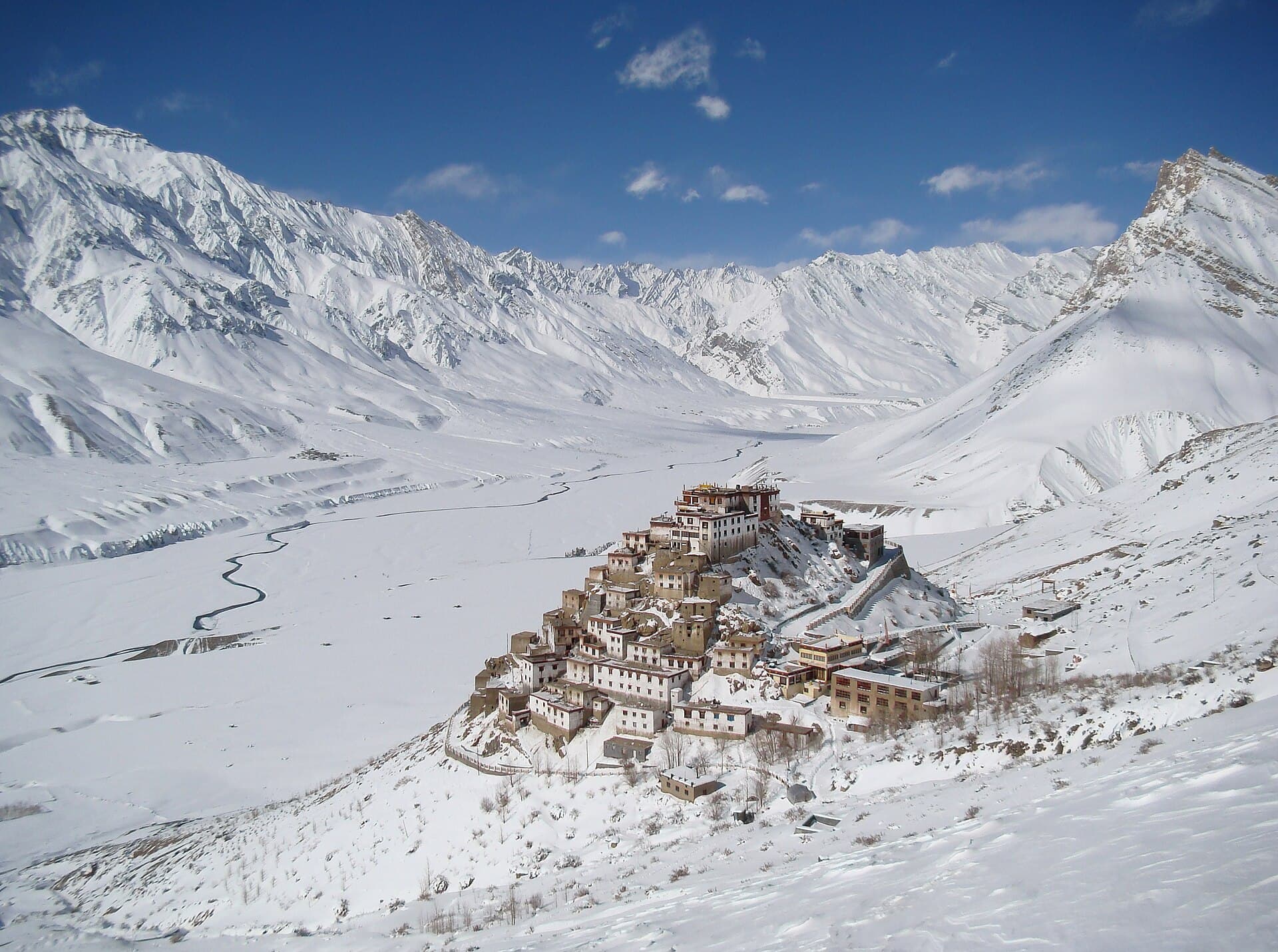
What the plan says: an 8‑day route starting and finishing in Manali and passing Jibhi, Kalpa, Sangla, Tabo, Kaza and Chandratal, with nightly stops set out and motorcycle support included. Use this section to capture the immutable items you want written into the booking confirmation and the items that must remain conditional.
Practical confirmation items to request in writing from the operator: exact pick‑up and handover locations and times in Manali; the make and model of the motorcycle to be supplied; nightly accommodation names or coordinates for each stop; the maximum permitted luggage per rider; and the explicit list of included services (road captain, mechanic, spare‑rider, helmets, luggage vehicle, route permits). Items that must remain conditional and require periodic checks: high‑pass crossings and Chandratal site access, which depend on road/seasonal conditions; the itinerary pacing and any forced re‑routing; and weather‑dependent group activities such as the bonfire.
Group preferences and rider experience checklist
Group decisions that materially affect pace and safety: ideal daily ride hours preferred by each rider; whether riders want one rest day longer than shown; average daily mileage tolerance; and tolerance for unpaved or high‑altitude sections. Ask the operator to list alternative lower‑altitude options for riders who want to shorten a stage (for example, a bypass around Chandratal if the route is unsuitable).
Rider experience information to collect and confirm: licence and permit requirements for each rider; prior high‑altitude riding experience for all participants; competence with basic roadside repairs (chain, puncture, fuse); and whether any rider requires a pillion‑only arrangement or assisted riding. Request written confirmation of what the road captain and mechanic will handle vs what riders are expected to handle themselves.
Route, seasonal access and contingency questions
The proposed day‑wise stages list key passes and communities (Jalori, Kinnaur approach to Kalpa; Rakcham and Chitkul en route to Sangla; Karcham, Khab and Nako into Spiti; Pin Valley; Losar/Kunzum to Chandratal; return via Batal/Chhatru/Atal Tunnel). Because high‑pass and lake access are season‑dependent, your planning questions should be framed so the operator answers with status, not assumptions: Which passes or sectors are typically closed during the planned dates? Which stretches are known for single‑lane traffic or frequent maintenance? What are the typical soft‑shoulder or unpaved proportions for each stage?
Contingency planning to confirm in writing: defined alternate routes for each stage that may be used without prior rider consent if safety or access dictates; decision authority—who signs off on a route change (company lead, road captain, local authority); minimum buffer days or slack time built into the itinerary for acclimatisation and weather delays; and the policy for extra nights, recovery rides or transport if a stage must be aborted.
Support, safety and motorcycle arrangement checklist
Items to require in the agreement and verify on arrival: exact motorcycle model and its documented maintenance status; motorcycle deposit terms and the formal condition report process at handover and return; the number and experience level of support staff (road captain, mechanic, spare rider); capacity and location of the luggage/backup vehicle; and the inventory of safety equipment issued to each rider (helmet type, reflective gear, first‑aid kit).
Emergency procedures and insurance questions: what emergency communication devices are carried (satphone, local SIM, SPOT/PLB) and by whom; defined evacuation procedures for illness or injury and the nearest medical evacuation points for each stage; whether the operator will assist with claims or evacuation coordination and what costs they explicitly do not cover; and clear rider responsibility to hold adequate travel and evacuation insurance—ask the operator for recommended policy features and a suggested minimum medical/evacuation coverage amount, then confirm in writing that carrying such insurance is mandatory.
Written confirmations to secure before departure
Consolidated confirmation checklist to obtain as signed or dated documents: final day‑by‑day route with GPS waypoints or coordinates for overnight stops; the list of included services (vehicles, staff, accommodation types, meals covered); motorcycle model(s) and a signed handover condition sheet for each bike; clear refund and amendment terms for weather‑related cancellations or route changes; and the contact details for the trip leader, local support office and a 24/7 emergency number.
Operational check items for the morning of departure: a copy of necessary permits, local authority permissions and proof they were arranged; a signed declaration from each rider confirming fitness and insurance; confirmation the luggage vehicle and spare parts inventory are loaded; and a short pre‑ride briefing agenda covering daily pace, rest stops, altitude precautions and what to do at a mechanical or medical emergency. If any of these items cannot be confirmed in writing, list them as unresolved and request a firm deadline for resolution before you accept the booking. AI-assisted planning guide; confirm details with Trailopedia.
Routes, access and services must be confirmed for your dates. This article is a planning guide, not a confirmed itinerary.