
Spiti Valley Short Escape Planning
A concise planning guide for a shorter Spiti Valley itinerary. Focus on altitude, road access and daily driving to decide if this pace fits your group's fitness and preferences.
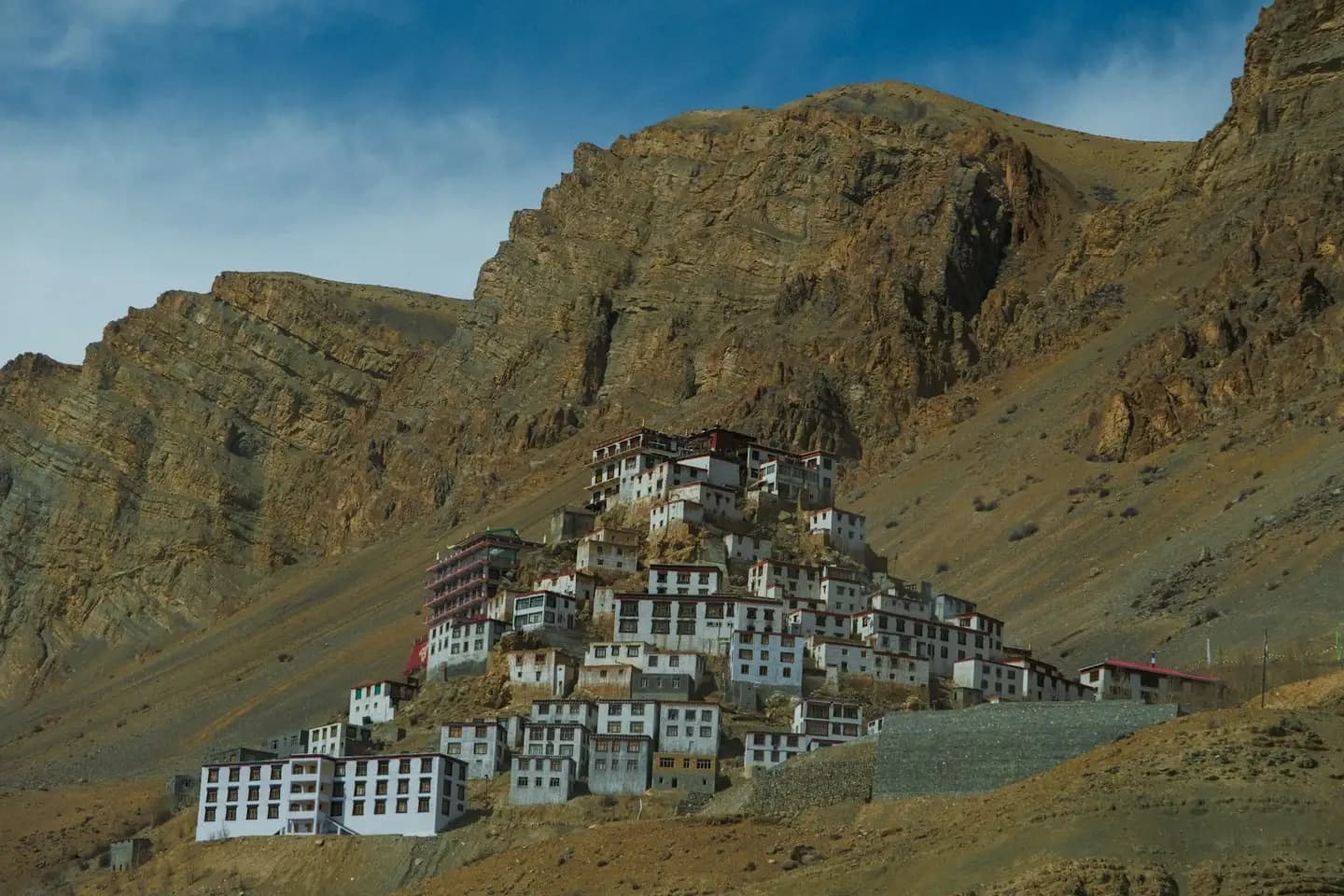
Is a four-day Spiti escape right for your group?
The proposed Spiti Valley Short Escape covers Manali, Kaza and Chandratal over three nights and four days, returning to Manali. It is a compact mountain itinerary, not a guarantee that every stop will be accessible or that the pace will suit every traveller. Before choosing dates, decide whether your priority is the village circuit, the lake visit or additional rest. Tell Trailopedia how much driving your group is comfortable with and whether anyone needs a slower schedule. Allowing extra time can be more useful than trying to fit another attraction into an already busy day.
Treat the catalogue route as a starting point for your written proposal. Seasonal roads, high-pass access and weather can change the order of stops or the overnight plan. Ask which parts are conditional, what the alternative route would be and whether extra days are advisable. A short itinerary does not remove the need for acclimatisation. Discuss relevant health concerns with a qualified clinician before travelling, and agree with the operator how an unwell traveller would obtain medical assistance rather than relying on the schedule alone.
Day one: agree the Manali-to-Kaza travel plan
The proposed first day travels from Manali through Atal Tunnel, Gramphu, Batal and Kunzum Pass to Kaza when the seasonal road is open. Confirm the actual meeting point, departure time and vehicle arrangement before booking transport to Manali. Request an estimate of driving time for your dates, planned breaks and the latest sensible arrival time. Do not read a map distance as a reliable travel-time promise: access checks, road conditions and necessary stops can affect progress. Keep arrival connections flexible until the operator confirms the complete plan.
Ask what happens if the group cannot reach the intended overnight stop. The answer should cover where the driver can safely stop, who contacts the accommodation and how additional transport or nights would be charged. Share any motion-sickness, mobility or rest requirements privately with the operator in advance. Keep essential medication, identification, drinking water and warm layers accessible rather than buried in luggage. If you choose the motorcycle option, confirm the riding experience expected and the support available; do not assume that services offered with a vehicle package also apply to bikes.
Day two: plan the high villages without overloading the day
The catalogue proposes visits to Hikkim, Komic and Langza, followed by a return to Kaza with time for its market. Agree which village stops matter most to your group and how much walking is expected at each. Ask about access conditions, vehicle drop-off points and options for a traveller who prefers to rest. Keep the plan flexible rather than turning every viewpoint into a compulsory stop. A useful village day leaves time for breaks and a comfortable return; it should not depend on everyone keeping the same walking pace.
Confirm whether the accommodation is the same Kaza property for both nights, along with room sharing, meal arrangements and check-out timing. Dietary preferences should be discussed before departure, not treated as automatically available at every stop. Ask what local guidance is included and which attraction charges, personal purchases or optional activities remain separate. Respect local residents and religious spaces, request permission before photographing people and follow guidance on where photography is restricted. These are practical ways to make the visit considerate without adding unsupported promises about local experiences.
Days three and four: keep Chandratal and the return conditional
Day three proposes travelling from Kaza across Kunzum towards Chandratal, visiting the lake when accessible and staying in the designated nearby camp area. Confirm the specific camp, facilities, bedding and walking involved in reaching the lake. A nearby camp should not be described as guaranteed accommodation on the lakeshore. Ask whether the camp is operating for your dates and what replaces this overnight if access changes. Follow site rules, use designated areas and take litter back with you rather than assuming waste disposal is available along the route.
Day four returns towards Manali through Batal, Chhatru and Atal Tunnel, with no additional overnight stay listed in the proposed plan. Request the expected finish window before reserving an onward bus, train or flight. Leave a buffer appropriate to the confirmed route and discuss who pays if a delayed return requires another night or a changed connection. Weather and access updates need to come from the operator for your actual departure; an evergreen planning article cannot certify that a pass, camp or road is currently open.
Compare the vehicle and motorcycle package in writing
The catalogue lists three nights on the agreed route with breakfast and dinner. For the car, Tempo or 4x4 option, it lists the vehicle, mountain driver, fuel, tolls, parking and driver allowance. For the bike option, it lists the booked motorcycle, standard helmet and basic mechanical assistance. Ask for the exact vehicle or motorcycle allocation, seating or room-sharing arrangement and the services included in your quotation. Do not transfer inclusions between package options: motorcycle fuel, additional riding gear and a refundable deposit are separately listed exclusions for the bike option.
Also clarify lunch, snacks, drinks, attraction or camera charges, optional activities and personal expenses. Travel insurance, medical treatment and emergency evacuation are not listed as included. Additional stays or transport caused by closures, weather or personal delays are also separate. Review cancellation terms, payment stages, deposit handling and any services not itemised in the agreed package. Avoid budgeting from an assumed headline price: this guide does not quote a live fare, confirm availability or promise a refund policy. Your dated written offer should settle those details.
Keep a departure checklist and a clear contingency contact
Before leaving, save the final itinerary, accommodation contacts, meeting point, operator contact and emergency contact details where they remain available without a mobile connection. Confirm who provides updates if the route changes and how the group will communicate if someone cannot continue. Pack for the conditions described in your confirmed proposal, with warm layers, suitable footwear and personal essentials easily accessible. Ask about luggage limits and charging arrangements rather than assuming a particular vehicle or camp has space, power or reliable network coverage.
The final decision is whether the pace, access conditions and support arrangement suit your group, not whether every proposed stop can be ticked off. Recheck the departure plan with Trailopedia, resolve unanswered health or logistics questions and obtain the agreed inclusions and contingencies in writing. If the confirmed plan leaves insufficient rest or a difficult onward connection, request a longer itinerary or different dates before committing. AI-assisted planning guide; confirm details with Trailopedia.
Routes, access and services must be confirmed for your dates. This article is a planning guide, not a confirmed itinerary.