
Planning a 7‑Night Manali–Leh High‑Altitude Motorcycle Expedition
A practical planning guide for a compressed Manali–Leh–Nubra–Pangong–Hanle loop on motorcycles. Focused on acclimatisation, daily riding limits, permitting and written confirmation
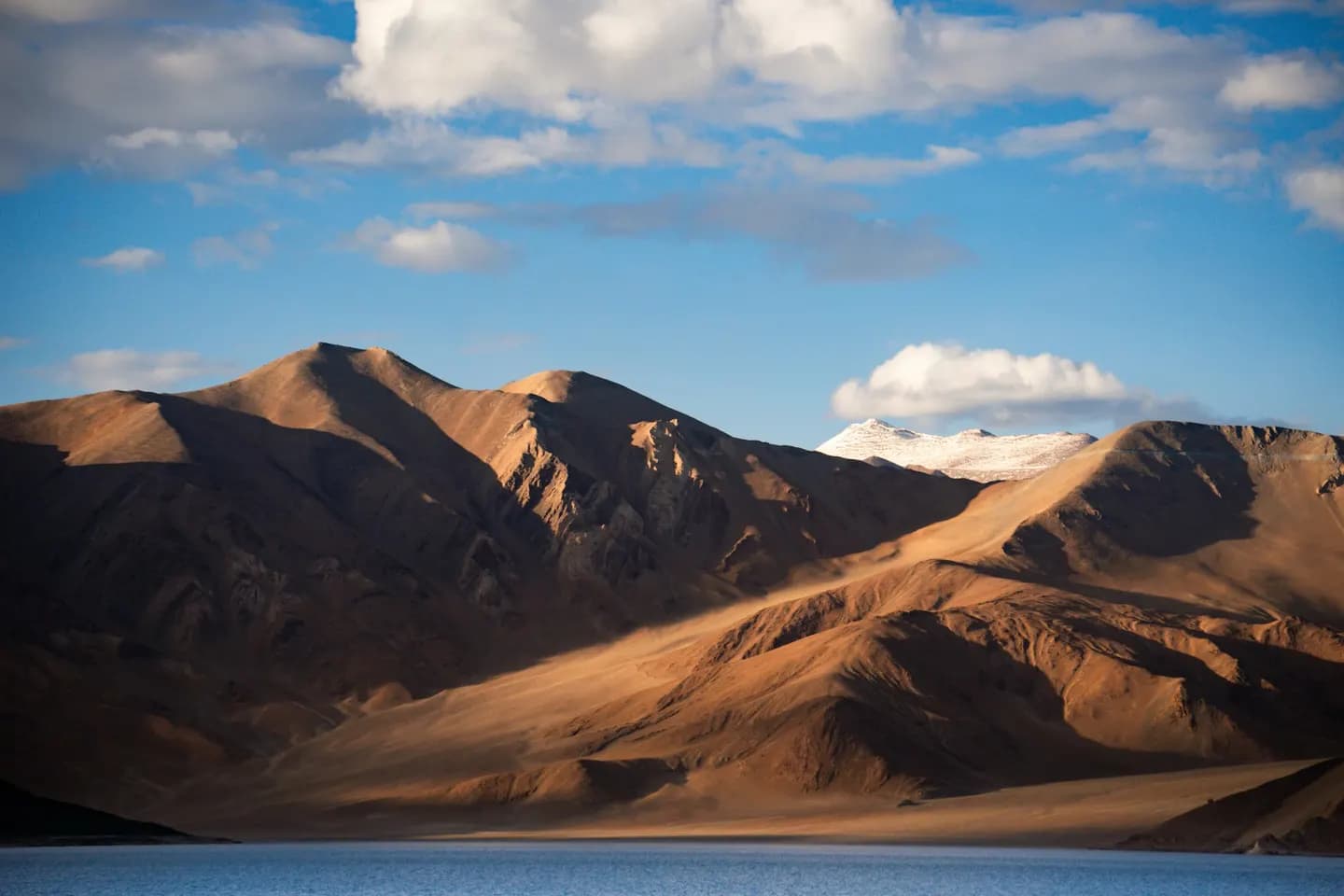
Trip snapshot and core planning questions
This itinerary links Manali with Leh and several high‑altitude side trips over eight riding days. It is a compact schedule that moves quickly between high passes and remote valleys; that compresses acclimatisation time and increases operational risk if roads, weather, or rider condition force a stop. Before confirming the route, clarify these fundamental items: what is the intended start date and the expected seasonal access for each segment (Sarchu, Nubra, Pangong, Hanle)? Which exact variant of the route will be ridden on Days 4–6 (Shyok route vs. other alternatives)?
Also confirm the group profile: how many riders and pillions, average expected riding experience on unpaved high‑altitude sections, fitness and prior high‑altitude exposure? Finally, is there flexibility to add contingency days if the group shows symptoms of altitude illness or if the road network is disrupted? These answers shape daily distance targets, afternoon stop times and the need for extra support.
Acclimatisation, health screening and rest planning
For trips that gain altitude rapidly, build explicit acclimatisation checkpoints into the daily plan rather than treating them as optional. Ask the operator to supply documented overnight altitudes for each stop and to show where lower‑altitude resting options exist en route. Request medical pre‑screening criteria for participants (for example, a recommended health check list or physician sign‑off) and a written policy on handling suspected acute mountain sickness (AMS) including descent triggers and evacuation procedures.
Agree on forced rest hours and maximum single‑day riding time. Practical constraints: set a hard upper limit on daily riding hours for individuals, an objective for maximum cumulative ascent per day, and a requirement that any rider showing symptoms of AMS receives no further altitude gain until cleared by the medic. Ask the operator to provide the medic’s qualifications, oxygen availability, and the locations of the nearest medical facilities and evacuation pickup points along the planned route.
Daily distance, pace and overnight arrangements
Because this plan includes long, high‑altitude transfer days, convert the itinerary into a day‑by‑day sheet before committing. For each day request the following from the operator: planned start and expected finish time, approximate kilometres/miles, route surface type (paved, gravel, single‑track), critical passes or pinch points, and alternative lower‑altitude stopping points should speed or condition force a change. Where multiple accommodation types are listed (hotel, camp, homestay), ask for the primary option and a guaranteed backup.
Confirm the sleeping altitude for every night and add a one‑line practical note: e.g., whether heating, hot water, and toilet type are supplied. If a day looks like a long transit with limited acclimatisation value, mark it as an optional low‑altitude rest day and ask whether that can be inserted without changing vehicle/fuel logistics. Require a clear luggage‑transfer plan so riders can carry only a daypack; verify weight limits for any luggage vehicle.
Permits, route access and logistics to verify
List every permit the operator says they will provide and ask for the issuing authority, typical lead time and any identification riders must carry. For areas close to border/defence zones (for example, Hanle and parts of the Nubra/Pangong approaches) request written confirmation of access approvals and any escort or timing conditions. Ask whether permissions are day‑specific or flexible and who bears the administrative risk if a permit is denied at short notice.
Clarify fuel strategy: what are the expected daily refuelling points, how much spare fuel is carried in the backup vehicle, and what procedures are followed if a rider runs low in a remote stretch? Confirm whether the bike allocation is fixed to a rider for the whole trip and the written policy for deposit, damage assessment and replacement if a machine becomes non‑serviceable.
Pre‑departure written confirmations and checklist
Before the group departs, require these items in writing from the operator: a) daily itinerary table showing overnight altitudes, distances and surface type; b) list of included services and a map of planned refuelling points; c) copies or references for all permits and an explanation of contingency permitted routes; d) medical and evacuation plan with medic credentials, oxygen supply locations and nearest hospital addresses; e) luggage and luggage‑vehicle limits, plus a statement on who is responsible for bike recovery and rider evacuation in case of illness or crash.
For each rider secure written confirmation of personal responsibilities: current travel/medical insurance covering high‑altitude and evacuation, helmet and protective gear standards, completed self‑declaration of fitness or doctor sign‑off if required, and an emergency contact who holds a copy of the final route. Finally, prepare a small on‑bike checklist (spare clutch/brake cables, tyre repair kit, basic tools, charged phone/power bank, identification and permit copies) and confirm the operator will brief the group on daily turnaround times, fuel windows and strict rest rules at the pre‑ride meeting. AI-assisted planning guide; confirm details with Trailopedia.
Routes, access and services must be confirmed for your dates. This article is a planning guide, not a confirmed itinerary.