
Planning a Comfortable 10‑Day Shimla–Manali–Dalhousie–Amritsar Route
Practical planning blog for a 9‑night, 10‑day multi‑destination trip through Shimla, Manali, Dalhousie/Khajjiar and Amritsar. Focuses on overnight sequencing, transport buffers, on
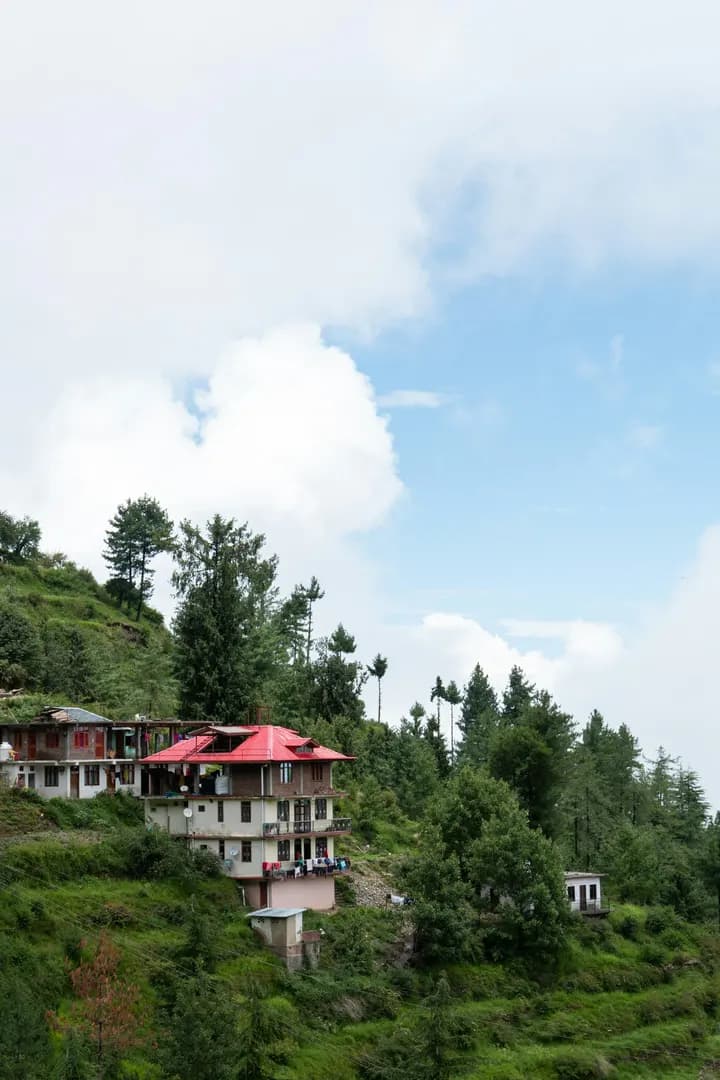
Trip overview and sensible pace
This route combines several hill towns that require daily drives between different elevations and road types, followed by a final transfer to a plains city. To keep the schedule comfortable, plan travel days that prioritize single‑sector moves (one main transfer per day) and reserve at least half of the arrival day for rest or low‑effort local exploring. Which travel energy level does your group prefer: relaxed (long mornings, short afternoon transfers), moderate (typical sightseeing plus one full transfer day), or brisk (early starts and back‑to‑back excursions)?
Consider how altitude change and time on the road affect the group. Longer drives may call for extra rest stops, flexibility in requesting alternative pickup/drop times, and contingency plans for delays due to roadworks, weather, or traffic. Do you want scheduled buffer time added to each transfer (for example 1–3 hours margin) or do you prefer tighter connections to maximize sightseeing?
Overnight sequence and transport buffers
The suggested overnight progression is: Shimla (nights 1–2), Manali (nights 3–6), Dalhousie/Khajjiar (night 7), then Amritsar (nights 8–9) before return. Confirm whether you prefer shifting nights (for example one extra night in Dalhousie and one fewer in Manali) to change the driving load. For each transfer, identify ideal departure windows that fit the group’s comfort: early morning departures to avoid afternoon traffic; midday for scenic daylight driving; or late‑afternoon travel to reach the next town for evening dining. Which windows suit the group’s rhythm?
Specify buffer choices per transfer so the operator can propose vehicle and driver schedules: conservative buffers (2–3 hours), standard buffers (1–2 hours), or minimal buffers (under 1 hour). Also decide on the overnight pickup/drop protocol: meet at the hotel lobby, direct roadside handovers, or a centralized departure point. Please confirm any mobility constraints or luggage limits so the vehicle type can be chosen in writing.
Confirming local visits, seasonal access and pace
Several highlights are weather‑sensitive or subject to seasonal access (mountain passes, high‑altitude viewpoints and some valley roads). Instead of assumptions, create a short confirmation list for each site: must‑visit (mandatory), optional with conditions (weather/access dependent), or skip unless itinerary permits. Examples to classify: Kufri and Jakhu (short excursions from Shimla), Solang Valley activities (seasonal adventure offerings), Atal Tunnel approach/Sissu excursions, Khajjiar/Kalatop day trips from Dalhousie. For every site you mark as must‑visit, specify acceptable alternate dates or backup activities in case access is restricted.
Ask the operator to confirm which local roads or attractions commonly close in the season of travel and to supply a written contingency plan for each closure. Also request expected driving time ranges (not guaranteed) between overnight stops for group planning—this aids decisions about departure times and rest stops.
Activity options, equipment and group preferences
Map optional activities to required lead times and equipment. Adventure activities in Solang, winter sports or summer adventure vendors, and guided local walks often require advance booking and age/health restrictions. Decide how many activities you want confirmed in advance versus left flexible to decide on arrival. For each activity chosen, request from the operator: required minimum participant numbers (if any), cancellation terms, what equipment is supplied versus what participants must bring, and whether a local guide is included.
Clarify group preferences that affect bookings: activity intensity (low/moderate/high), acceptable maximum single‑day active hours, footwear and mobility needs, and interest in cultural stops (temples, markets, heritage sites) versus natural scenery. Highlight any medical conditions, dietary constraints, or mobility limitations that should be noted on booking forms.
Written confirmation checklist to send the operator
Before finalising, send the operator a single written confirmation that includes the following items so all parties work from the same brief: 1) Final overnight sequence with hotel names (or nights per town if hotels are pending); 2) Departure windows and chosen buffer level for each transfer; 3) A site access priority list (must‑visit, conditional, skip); 4) Activity list with lead‑times and participants per activity; 5) Any mobility or luggage constraints and medical/dietary notes; 6) Preferred vehicle type and passenger count; 7) Agreed inclusions from the package and an explicit note of items to be charged separately (lunches, entry fees, equipment hire).
Ask the operator for a single‑page day‑wise confirmation that restates arrival and departure times, anticipated drive‑time ranges, and a contingency plan for closures. Request a deadline for any changes and an explicit acceptance of the buffer choices. Finally, confirm the preferred point of written sign‑off: email, messaging app group or a signed itinerary at pickup. AI-assisted planning guide; confirm details with Trailopedia.
Routes, access and services must be confirmed for your dates. This article is a planning guide, not a confirmed itinerary.