
Planning a Shared-Vehicle Spiti Journey: A 6-Day Manali–Kaza–Chandratal Option
A practical planning guide for groups choosing a shared-vehicle Spiti loop (Manali → Kaza → Pin Valley → Tabo/Gue → Chandratal → Manali). Focus on agreement items, decision points,
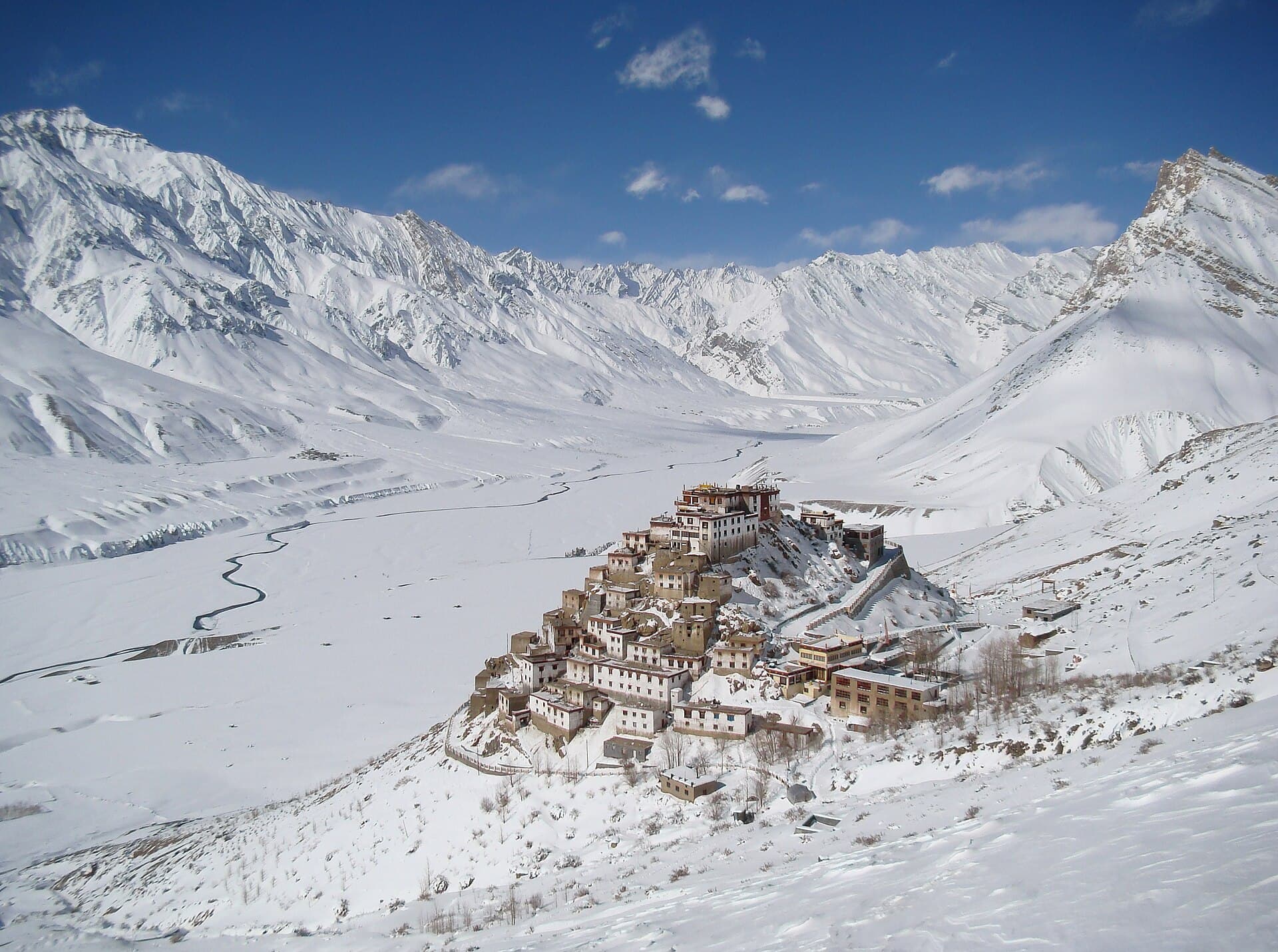
Trip snapshot and what this option includes
This shared-vehicle Spiti journey is framed as a 5‑night / 6‑day option running Manali → Kaza → Pin Valley → Tabo/Gue → Chandratal → Manali. The proposed daily stages are: Day 1 Manali to Kaza; Day 2 Key, Kibber, Langza and Hikkim; Day 3 Pin Valley and Mudh; Day 4 Tabo and Gue; Day 5 Kaza to Chandratal; Day 6 Return to Manali. Inclusions listed for the option are shared hotel/homestay nights (seasonal camps where routed), breakfast and dinner at those stays, an allocated SUV or Tempo Traveller with a mountain driver and route fuel, parking and driver allowance, agreed sightseeing and route coordination, local route permits as required, and operational backup coordination. Exclusions include lunches, snacks, drinks and personal expenses; attraction or camera fees not specified; travel insurance and medical evacuation; and extra stays or transport caused by road closures, weather or personal delays.
This guide is designed for planners who will finalise dates, prices, vehicle category, group size and room‑sharing arrangements in writing before confirmation. Important operational caveats in the original proposal note that high‑pass crossings and Chandratal access depend on road conditions and seasonal access; itinerary stops, overnight arrangements and travel pace are confirmed in the written proposal.
Who this shared-vehicle option suits — group preferences
Consider whether the group prefers shared‑vehicle logistics rather than a private vehicle or independent travel. This option assumes a single allocated vehicle (SUV or Tempo Traveller) shared by the confirmed group with a mountain driver. Typical group decisions to agree before booking include: vehicle category (SUV vs Tempo Traveller), maximum group size per vehicle, how seats and bedding will be allocated, and whether members are comfortable with shared hotel rooms or homestays versus single rooms. If any travellers require single occupancy, mobility assistance or special dietary needs, these must be declared and confirmed in writing for operational planning.
Ask the operator whether operational backup coordination is intended as on‑call coordination only or includes an alternate vehicle standby. Clarify if the shared vehicle is the primary transfer for the entire route or whether local transfers (for example, to reach Chandratal camp areas) are arranged separately. The proposal notes it is not a private replacement vehicle; ensure everyone understands what that means in practice and how substitutions or split groups will be handled.
Practical route and timing questions to confirm
Several route elements are conditional and should be checked and recorded in writing: seasonal access to Chandratal and whether the plan relies on Kunzum Pass being open; the pace and length of each driving day; and the permitted stops and sightseeing windows in Key, Kibber, Langza, Hikkim, Pin Valley, Tabo and Gue. Ask the operator to list the expected road segments, alternate routes, and the indicators they use to confirm whether Chandratal or high‑pass sections are possible on your travel dates.
Request a written statement of how the operator will manage route changes or forced extra nights: who arranges alternate accommodation, what costs are included or billed separately, and the timeline for notifying the group. Because lunches, personal expenses and optional activities are excluded, get a clear cost outline for likely extras (for example local guide fees, entrance/camera charges if applicable) so the group can budget before travel.
Written‑confirmation checklist: agreements to require
Before you confirm, obtain a single written proposal that includes: agreed dates and final itinerary (with conditional notes on Chandratal or high‑pass segments), confirmed vehicle category and maximum passenger count, room‑sharing plan and number/type of beds allocated, list of included meals and any dietary accommodations, exactly which nights are in hotels/homestays and which are seasonal camps, and the full itemised inclusions and exclusions. The proposal should also state what constitutes the operator’s operational backup and the procedure for activating it.
Ask for cancellation, delay and force‑majeure terms in writing: refund rules, rescheduling options, and how extra costs from road closures or weather are apportioned. Finally, require an on‑trip communication plan in writing: emergency contact numbers, driver and local coordinator details, and the process for reporting issues or requesting changes while on the route. Keep a copy of that signed proposal with every participant’s contact and medical information.
Packing, health and safety prep checklist
Prepare a group packing list that matches shared accommodation and mountain travel: layered clothing suitable for large temperature swings, sun protection, sturdy footwear, personal medications, and any shared communal items you agree to carry (first‑aid kit, spare phone power bank, basic tool kit). Decide how luggage will be stored in the shared vehicle and confirm weight/space limits with the operator.
For health and safety, confirm that everyone has appropriate travel insurance and understands that medical treatment and evacuation are excluded from the package. Agree on a small on‑trip medical protocol: who carries the first‑aid kit, where prescriptions are stored, and an action plan if someone needs medical attention or cannot continue the itinerary. Finally, record a spare copy of identity documents and any needed local permits with the lead contact, and confirm who will manage payments for group extras while on the road. AI-assisted planning guide; confirm details with Trailopedia.
Routes, access and services must be confirmed for your dates. This article is a planning guide, not a confirmed itinerary.