
Spiti Valley Mountain Circuit: Practical Planning Guide for a 6‑Day Loop
A practical planning blog to frame decisions and written confirmations for a six‑day Manali–Kaza–Pin–Tabo circuit with an optional Chandratal extension. Use the questions and check
Trip at a glance: what this itinerary sets and what it doesn
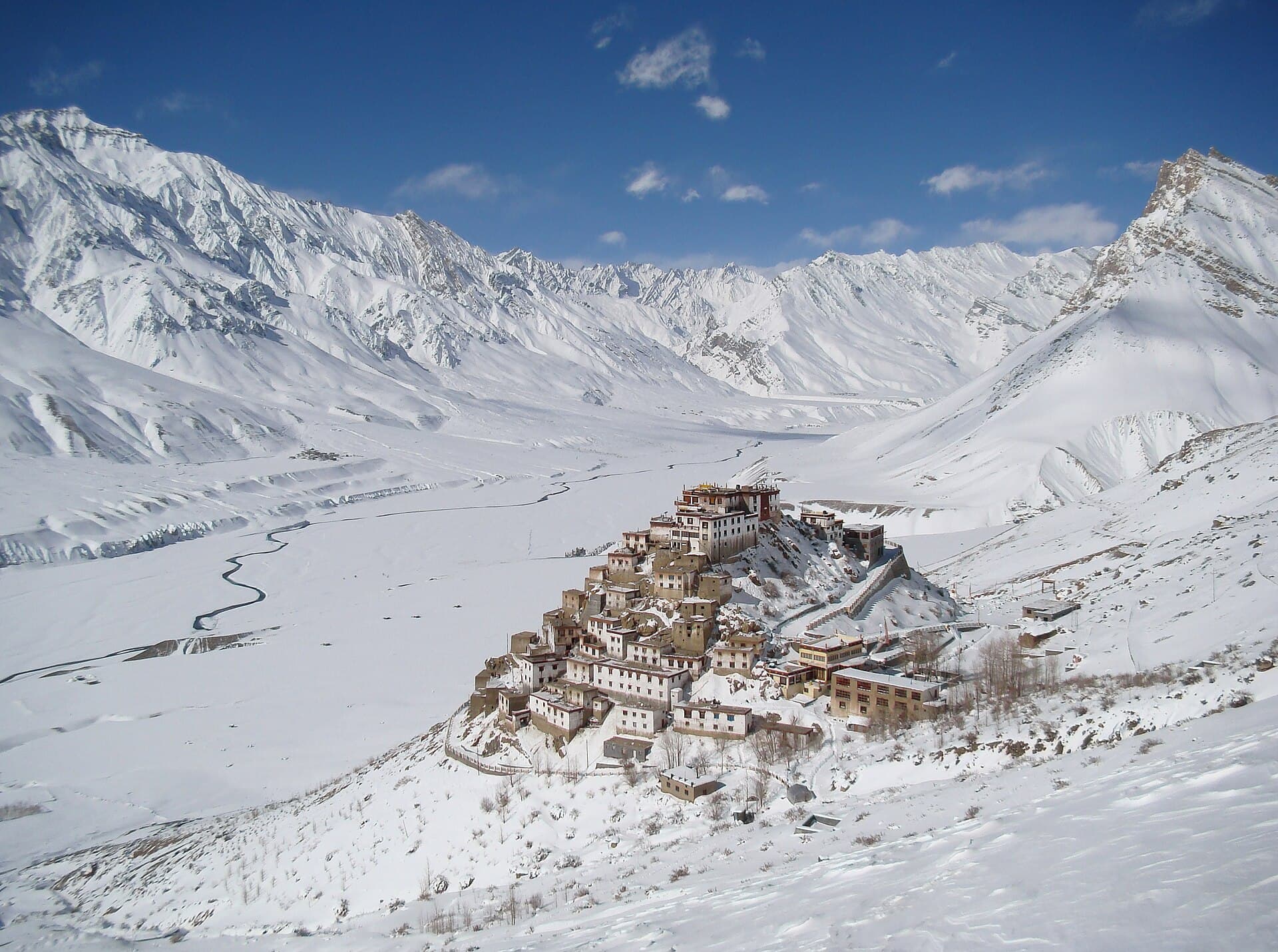
This proposed circuit frames a five‑night, six‑day plan linking Manali and Kaza with day excursions into the villages and monasteries of Key, Kibber, Langza, Hikkim, Pin Valley, Mudh, Tabo and Gue, and a possible seasonal transfer to Chandratal. The description you provided names the primary route and highlights; it also notes that high‑pass crossings and a Chandratal visit depend on road access and season. Before any bookings or payments, confirm which road sections are open, which overnight locations you will actually use, and whether the Chandratal approach is included in the final written proposal.
Practical planning hinges on two things: the agreed pace of travel for the group (relaxed, moderate, or ambitious) and the contingency rules for closures, delays or rider health issues. Ask the operator for a confirmed day‑by‑day plan that lists stops, expected transfer times (not guaranteed travel durations), alternative road options, and explicit conditions under which the Chandratal segment will be attempted or omitted.
Group preferences and rider capability: essential questions
Road and high‑altitude riding in this region varies with surface quality and weather; therefore collect accurate rider profiles before finalising the plan. Useful questions to ask each participant: what is your recent off‑pavement riding experience (hours or routes ridden)? Do you have prior high‑altitude experience above 3,500 m? What is your preferred daily riding window (start and finish times) and maximum acceptable daily riding hours? Do you have any pre‑existing medical issues, medications, or altitude sensitivity that the operator must know?
Agree on group rules in writing: maximum group size per lead mechanic, how mechanical delays are handled, the minimum acceptable riding speed for the group, and decision authority when an individual wishes to stop or slow the group. Also confirm which person will carry the group emergency contacts and who will be the group‑level decision maker for route changes or extra nights.
Gear, motorcycle setup and packing checklist
The inclusions list shows an allocated motorcycle with standard helmet and basic protective supports; several personal items and protective gear are excluded. Prepare a written packing checklist and sign off with the operator on what spare parts, tools and extras you must bring. Items to confirm and to bring personally: certified helmet suited to your size, riding boots, riding gloves, riding jacket with armor and rain layering, knee protection, thermal base layers, sun protection (sunglasses and sunscreen), personal medications, and a durable daypack.
Gear configuration and motorcycle set‑up should be signed off before departure: tyre type, spare tubes/tyres, chain condition, tool kit access, and any accessories you expect (phone mount, extra fuel canister if allowed). Ask whether the supplied helmet and jacket are certified and if the operator will provide gear sizing beforehand. If you rely on their gear, obtain a written confirmation about fit and replacement policy for damaged or ill‑fitting items.
Operational contingencies and route decisions to confirm
Because the itinerary involves high passes and a seasonal lake approach, request a clear contingency plan in writing. Key questions for the operator: at what mileposts or decision points will the Chandratal option be attempted versus abandoned? What are the criteria for returning to Kaza early or for skipping a scheduled visit (for example to Key or Pin Valley) due to road conditions or rider fatigue? Who has authority to make the call to alter the route?
Also confirm transport and accommodation contingencies: if a pass closure forces a retrace or an extra night, who pays for the extra fuel and stay? Is there a published policy for mechanical breakdowns beyond on‑route basic assistance (for example towing or part replacement)? Get committed timelines for communication (how and when the operator will notify you of route condition changes) and ask for the contact details of the local backup or liaison person who can confirm real‑time access.
Daily logistics, meals and overnight confirmations
The inclusions note breakfast and dinner at stays but exclude lunches and personal expenses. Confirm meal timing and ability to source lunch on route; identify whether packed lunches will be provided on long transfer days or whether riders must arrange cash for roadside stops. Ask the operator to list the tentative accommodation types for each night (guesthouse, homestay, camp), the maximum rooming configuration per booking, and any bedding or hot‑water limitations that matter to your group.
Request written confirmation of rooming assignments, twin/triple sharing rules, and the policy for single rooms if someone requests one. For the Chandratal segment, confirm who is responsible for the camp setup, toilet arrangements, and whether potable water and sanitation will be available at the temporary site. If any participant has dietary restrictions, have these listed in the booking confirmation and obtain assurance that the operator can meet them.
Formal written confirmation checklist before departure
Before any non‑refundable payments, collect a single written document or booking proposal that includes: final day‑by‑day stop list with overnight locations, explicit statement on whether Chandratal is included or conditional, detailed inclusions and exclusions, group emergency contact, local liaison contact, motorcycle make/model and what comes with it, cancellation and change policies, and a statement on who bears extra costs for road‑closure delays or medical evacuation. Demand signatures or email confirmations from both the operator and an authorised representative for your group.
Include additional items in the checklist to sign off: personal gear responsibilities, spare parts or deposits required, medical declarations from each rider, agreed payment schedule and refund terms, and a confirmation that the operator will obtain any required local permits. If anything is missing or framed as conditional in the proposal, write specific questions and request explicit answers before you accept the booking. AI-assisted planning guide; confirm details with Trailopedia.
Routes, access and services must be confirmed for your dates. This article is a planning guide, not a confirmed itinerary.