
Spiti Valley Discovery: Practical Planning Guide for a 4N/5D Manali–Kaza Loop
Focused planning notes and checklists to turn the proposed Manali → Kaza → Tabo/Dhankar → Chandratal → Manali sequence into a confirmed 4-night, 5-day trip. Prioritises access, alt
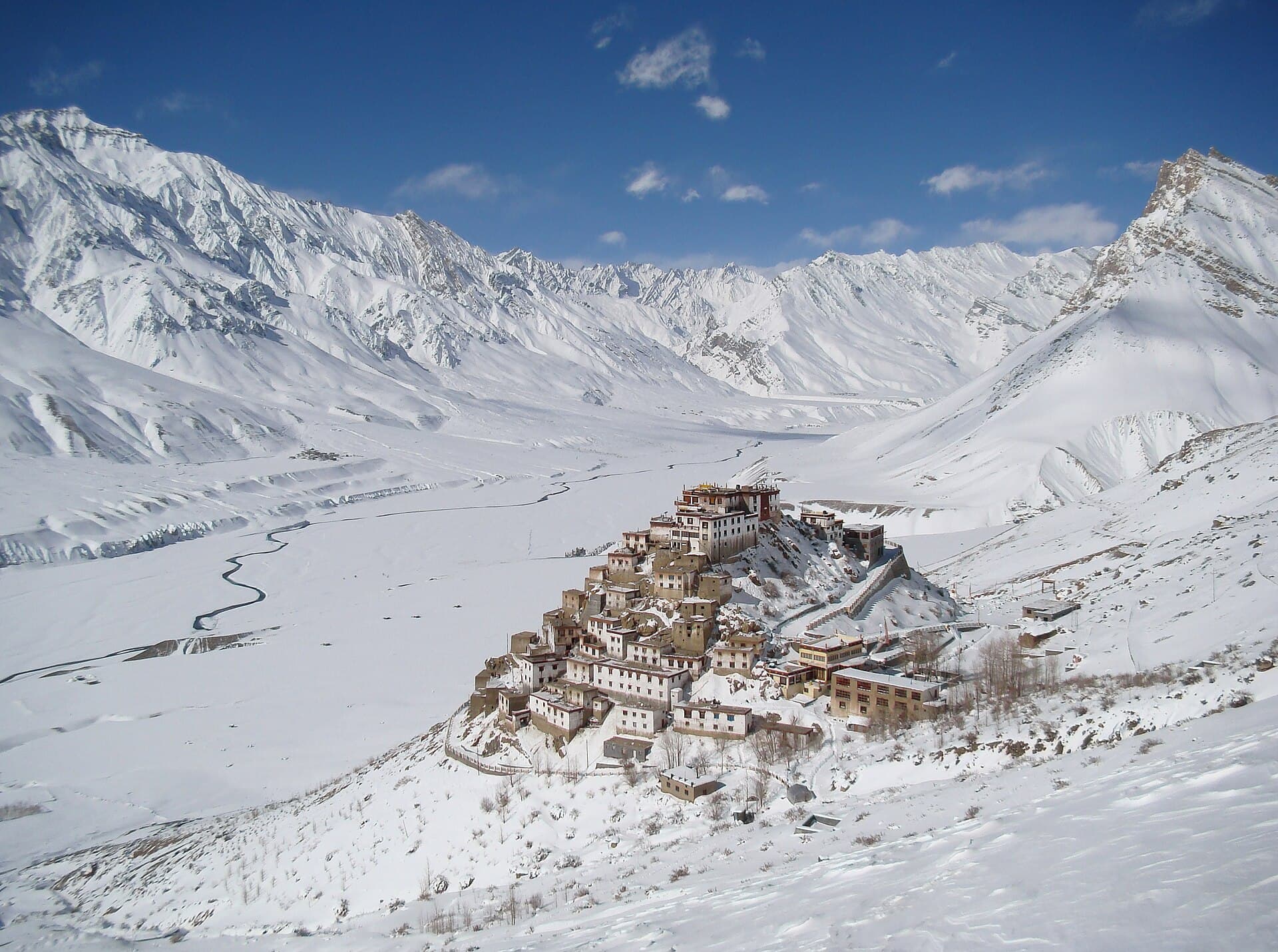
Confirm seasonal access and timing
Key planning question: which roads and passes on your route are confirmed open for the dates you intend to travel? The proposed sequence uses high-pass approaches and a Chandratal visit that are seasonally controlled. Before finalising bookings, request up-to-date clearance or road-status confirmation from the local authority or your transport provider for: the Manali–Kaza approach that passes through Lahaul–Spiti, the Kunzum/Chandratal approach, and any local diversions that might affect day timings.
Group preference to record: indicate whether the group prefers a fixed itinerary that accepts a risk of forced extra nights if roads close, or a flexible approach with buffer days and alternate scenic stops. Which do you want written into the booking terms? A flexible plan reduces stress but may require explicit confirmation about who pays for extra nights, meals and transport adjustments; make that a written point of agreement.
Pace, altitude and rest planning
Practical question to confirm: how many members are travelling and what are their prior high-altitude experiences and medical considerations? The route includes sustained high-altitude driving and excursions. Decide on a realistic activity pace: do you want shorter local walks and more rest time on arrival days, or do you prefer longer exploration days? Select a maximum daily driving window the group is comfortable with and record it in the plan (for example, target driving hours per day rather than exact kilometres).
Checklist item: include an acclimatisation strategy in the confirmation. Options to consider: an easy first afternoon after arrival in Kaza, avoiding strenuous walks on the same evening as long drives, and watching for symptoms rather than pushing schedules. Ask your operator to confirm local medical access points and the procedure for emergency evacuation before travel.
Overnights, comfort levels and service details
Decide and document accommodation expectations for each overnight: basic guesthouse, mid-range hotel, or higher-comfort lodge where available. The itinerary lists Kaza, a Tabo/Dhankar-area overnight and a Chandratal-area night; request written confirmation for each night's property name, room type and a cancellation/change policy tied to road access. If the group includes travellers who need private rooms or specific bedding, list these requirements explicitly.
Practical questions to finalise: do you require hot water at set times, charging points, laundry or heating in specific nights? Are shared bathrooms acceptable? For remote areas, ask the operator to confirm power availability, phone signal expectations and whether the property can store a small number of extra bags if you travel light on higher-altitude nights.
Transport, permits and luggage handling
Confirmation checklist: vehicle type and driver rotation. Request a written note of the vehicle model (or category), the maximum passenger count, driver experience on the route and contingency drivers if a pass forces a longer return. Confirm fuel plans and who covers fuel costs in the event of route changes that extend driving.
Practical permissions: ask whether any permits, inner-line passes or restricted-area paperwork are required for the group and who will obtain them. For Chandratal and some high-valley approaches there can be seasonal access protocols; ensure the booking explicitly states which permits are included and the lead time required. Also clarify the luggage policy for high-pass segments—do travellers carry daypacks while luggage moves by support vehicle, or must everything be in one vehicle?
Contingency and written-confirmation checklist
Use this checklist to produce a one-page written agreement with your operator or group leader before committing: 1) Confirm exact travel dates and a clause for road-closure-based rescheduling; 2) Written list of overnight properties and room allotments for each night; 3) Vehicle type, driver name(s), fuel and breakdown contingency; 4) Included and excluded services (reference the exclusions you already listed) made explicit for food, permits and entry fees; 5) Medical/evacuation procedure and local clinic contact agreed in writing.
Additional contingency items to confirm: 6) An agreed buffer day or alternate sightseeing options in case Chandratal or a pass is closed; 7) Payment and refund schedule tied to the status of high passes; 8) A contact person (local) authorised to make route or accommodation changes with the group’s prior consent. Finally, capture a simple communications plan: a list of phone numbers and a nominated group WhatsApp or messaging contact to share live updates during the journey. AI-assisted planning guide; confirm details with Trailopedia.
Routes, access and services must be confirmed for your dates. This article is a planning guide, not a confirmed itinerary.