
Spiti Valley Discovery: Practical 5‑Day Planning Guide
A focused planning guide for a 4‑night / 5‑day Spiti loop Manali → Kaza → Tabo / Dhankar → Chandratal → Manali. Framed as practical questions, group preference choices and written‑
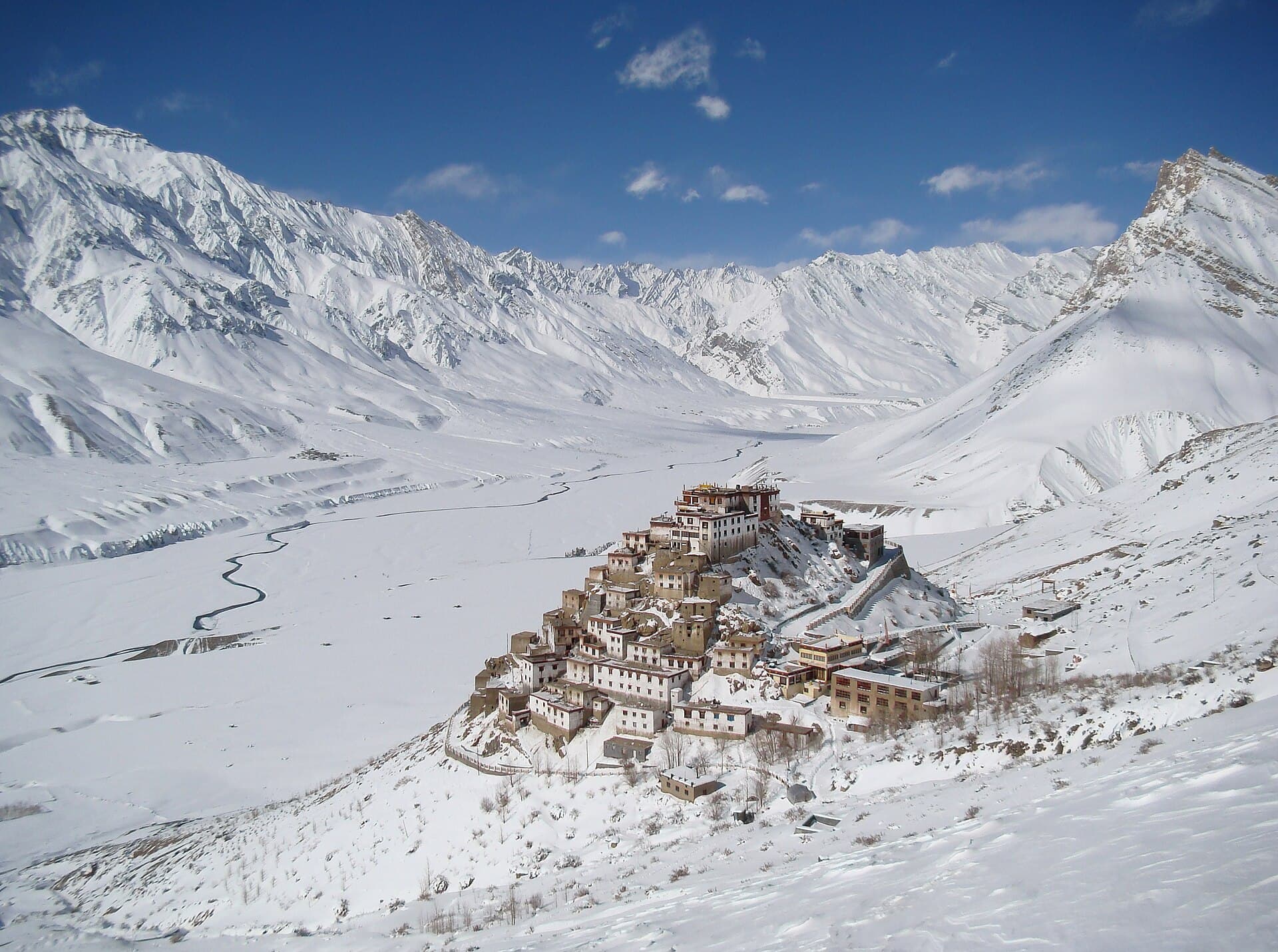
Trip overview and confirmed route elements
This plan uses your proposed route and overall duration: Manali → Kaza → Tabo/Dhankar → Chandratal → Manali over 4 nights and 5 days. The intent is a focused cultural and landscape itinerary with monastery visits (Key, Tabo, Dhankar area) and a window for Chandratal if the seasonal approach is open. Before finalising any bookings, confirm which stages are fixed and which depend on seasonal access so the overnight sequence and return approach can be adjusted without last‑minute surprises. Questions to confirm with your operator or group: Which nights are non‑negotiable (for example prebooked stays) and which can shift if roads close? Is there a preferred night to aim for at higher altitude versus a lower valley overnight?
Access, high‑pass crossings and seasonal constraints — clarf
High‑altitude roads, Kunzum pass approaches and the Chandratal access are seasonal and can be closed by snow or maintenance. Rather than assume a precise opening date, structure the plan to accept alternatives. Practical planning questions to answer now: What is the latest road status report covering Manali–Kaza, Kunzum/Chandra segment and Chandratal access for your travel dates? Are there known mandatory permits, checkposts or vehicle restrictions for the intended days? What contingency route(s) or nights does the operator recommend if Kunzum or the Chandratal approach is closed? Ask your operator to provide a recent contactable source for road status on the morning of each high‑pass day.
Daily pacing, stop priorities and accommodation choices
You proposed a day‑wise sequence: Day 1 Manali→Kaza, Day 2 Key & Spiti villages, Day 3 Tabo & Dhankar, Day 4 Tabo→Chandratal (if open), Day 5 return to Manali via Batal and Atal Tunnel. To keep the experience focused and reduce altitude strain, choose one of these pacing models for the group: (A) Cultural‑leaning — allocate more time for monastery visits and village walks with earlier starts and lower daily driving targets; (B) Landscape‑leaning — accept longer drives to reach Chandratal and scenic passes with shorter stop durations in villages; (C) Conservative — add planned buffer time and one extra low‑altitude rest stop to reduce AMS risk. Written confirmation items to obtain from each traveller or the operator: preferred pacing model, maximum acceptable daily driving hours, and any non‑flexible must‑see sites. Also confirm accommodation type expectations (guesthouse, basic hotel, campsite) for each night and whether heating hot water and oxygen availability are critical requirements.
Health, altitude and medical readiness checklist
High passes and overnight variations in elevation increase the risk of altitude illness. A pre‑departure medical check tailored to high‑altitude travel is advisable for travellers with cardiac, respiratory, or other chronic conditions. Practical checklist items to finalise in writing: each traveller’s baseline health declaration and emergency contact; whether travellers carry individual medicines for common altitude symptoms and a shared group emergency kit that includes oxygen, a pulse oximeter, and a stretcher/evacuation plan; nearest reliable medical facilities along the route and estimated evacuation times for each leg. Ask the operator for a documented emergency response plan that lists who is authorised to change the itinerary for medical reasons and the communication method to summon help in remote sections.
Equipment, vehicle and packing confirmations
Organise kit and vehicle readiness around the season and contingency nights. Group decisions to confirm in writing: vehicle type and capacity; whether a spare tyre, basic tool kit, extra fuel and a satellite communication device or local SIM reliability are provided; group gear such as shared warm bedding, high‑altitude sleeping bags or tents if staying in basic lodges or camps. Personal packing checklist to confirm with each traveller: layered clothing appropriate for large temperature swings, sturdy footwear, sun protection, a small first‑aid kit, personal medications, and a daypack for walking around villages. Also request written confirmation from the operator about fuel and supply plans for remote stretches and whether they will carry bottled water and snacks or if travellers should stock them prior to departure.
Final written confirmation checklist and next steps
Before final approval, collect the following in writing from the operator and the group: confirmed route options with the conditions that will trigger each contingency; a night‑by‑night accommodation list showing type and backup options; a signed group‑level health and evacuation plan including local emergency contact numbers; vehicle make/model and driver experience acknowledgement; and explicit statements on which costs are included or excluded (meals, permits, park/photography fees). Additional steps: request a daily provisional timing sheet that can be adjusted at the roadhead, ask for a recent road status snapshot within 48 hours of departure, and obtain contactable references or recent traveller check‑ins if you need assurance about the operator’s performance in remote‑road scenarios. Use these written confirmations to produce one consolidated itinerary that travellers sign off on before any non‑refundable commitments are made. AI-assisted planning guide; confirm details with Trailopedia.
Routes, access and services must be confirmed for your dates. This article is a planning guide, not a confirmed itinerary.