
Spiti Valley Short Escape: A 3‑Night/4‑Day Planning Guide
Practical planning questions, group preferences and a written‑confirmation checklist for a compact Manali–Kaza–Chandratal–Manali loop. Use this to decide pace, vehicle and conting‑
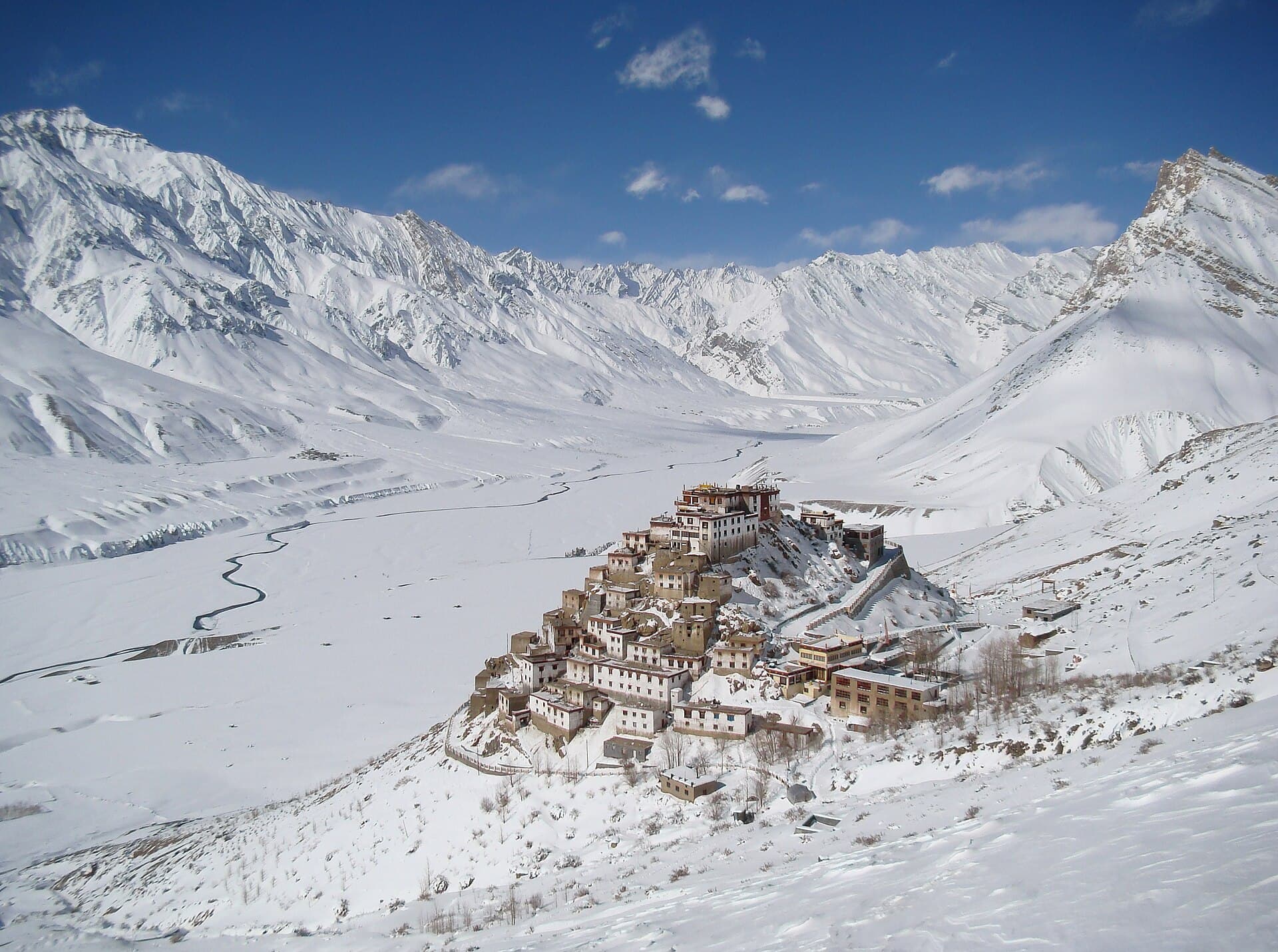
Trip overview and core decisions
This plan follows the proposed 3 nights / 4 days route: Manali → Kaza → Chandratal → Manali, with stops at Hikkim, Komic and Langza, and a Chandratal visit when road access permits. Before you confirm, identify the one or two non‑negotiable priorities for your group: is the primary aim to reach Chandratal, to visit high villages around Kaza, or to limit daily driving time? A short escape like this compresses travel and altitude change; clarifying priorities will shape pace, vehicle choice and contingency allowances.
Use three simple decision prompts to frame your proposal: 1) Acceptable daily driving hours (door‑to‑door) — what is the maximum single‑day driving time your group will accept? 2) Acclimatisation tolerance — will the group take extra rest on arrival in Kaza if needed? 3) Flexibility for route changes — are you prepared for extra nights or reroutes if the Chandratal leg is closed? Collect these answers in writing before bookings proceed.
Altitude, acclimatisation and health questions
Elevation gains on this loop are significant and rapid. Rather than listing symptoms or medical instructions, confirm the group's altitude readiness: have participants previously slept above 3,000–3,500 metres? For any member with pre‑existing cardiac, pulmonary, or recent respiratory illnesses, request a clinical clearance from their treating clinician and written confirmation that they understand altitude risks. Ask each participant to list medications, allergies and emergency contacts in the trip dossier.
Plan for conservative acclimatisation steps in your written itinerary: include optional rest windows in Kaza and a flexible day for recovery if someone shows early signs of altitude intolerance. Decide beforehand what constitutes acceptable action triggers (for example: descent if persistent symptoms occur) and record who has authority to make the call. Require every traveller to carry a printed and digital copy of personal medical details and emergency contact information.
Vehicle choices, driving hours and logistics
Choose vehicles that reflect road conditions, group size and luggage volume. For groups wanting shorter door‑to‑door driving, a 4x4 with an experienced mountain driver is typically recommended; for smaller groups comfortable on a motorcycle, consider the bike option with a booked motorcycle and basic mechanical assistance. Document the selected vehicle type, driver experience, fuel responsibilities, daily mileage expectations and handover points in the written agreement.
Specify maximum daily driving limits in the itinerary rather than leaving them implied. For example, set an upper limit for any planned transfer day and add clear buffer time for delays. Confirm in writing that the driver is authorised to alter the route or stop overnight if road or weather conditions make the planned run unsafe. Ensure the booking includes tolls, parking and driver allowance as stated in the inclusions, and that exclusions (fuel for bikes, rental deposits, extra gear) are acknowledged by all parties.
Packing, kit and small but critical items
For a condensed valley escape carry a short, high‑value kit list and confirm compliance with group expectations. Essentials to request in writing from each participant: layered cold‑weather clothing, a warm sleeping liner or bag rated for expected conditions, daytime sun protection, sunglasses that cut glare, sturdy footwear, personal medications and a compact first‑aid kit. For bike riders, confirm helmet standards and whether additional riding gear is required beyond the standard helmet included in the bike option.
List equipment the operator must provide in writing (for example: camp mattresses and sanitary arrangements at Chandratal zone, drinking water protocol, basic toilet setup). Ask for clarification about mobile charging availability and whether any solar or power bank provisions are required. If photography or drone use is planned, request confirmation about local permissions and any additional fees before travel.
Written‑confirmation checklist before you go
Before tickets or vehicles are finalised, obtain a concise written proposal that answers these questions: 1) Exact daily route and expected driving duration for each day; 2) Vehicle type, driver name and mobile contact; 3) Night stops and accommodation names or camp area designation; 4) What triggers a route change or extra night and who decides; 5) Included meals and explicit exclusions. Require the operator to itemise what is and is not included, matching the inclusions and exclusions you expect.
Also collect and confirm group‑level confirmations: signed acknowledgement of altitude risks, individual medical summaries, emergency contact list, and an accepted contingency plan for evacuation or medical response. Finally, ask for a short operating‑day timetable (approximate start and finish times) so everyone knows the planned tempo and can prepare mentally and physically for the trip’s pace. AI-assisted planning guide; confirm details with Trailopedia.
Routes, access and services must be confirmed for your dates. This article is a planning guide, not a confirmed itinerary.